


Renovating a home sounds exciting until the costs pile up, the timeline slips, and the contractor stops returning calls. Most homeowners go into a renovation with good intentions but without a real plan. That gap between intention and preparation is where projects fall apart.
Decoradhouse renovation tips from Decoratoradvice exist to close that gap. This guide covers the full process from first idea to final walkthrough. You will find practical advice on budgeting, materials, contractor management, and finishing work that lasts. No filler. Just what actually helps.
Plan Before You Touch Anything

Know Your Goal First
The single biggest mistake homeowners make is starting work before the plan is solid. Start with your goal. Are you renovating to sell? To stay longer and live more comfortably? To lower energy costs? The answer determines where your money goes. A homeowner preparing to sell should focus on kitchens, bathrooms, and curb appeal. Someone building a forever home should think about long-term functionality, accessibility, and rooms they use every day.
Write It All Down
Once you know your goal, list the spaces that need work. Be honest about what is cosmetic and what is structural. Fresh paint and new hardware can transform a room for under $500. A water-damaged subfloor or outdated electrical panel needs professional attention before anything else gets touched. Structural problems do not fix themselves. Covering them with new flooring only creates a more expensive problem later.
Write your plan down. A simple document with each room, the work involved, and an estimated cost is enough to start. It does not need to be perfect. It needs to exist so you can make decisions with information rather than instinct.
Plan for the Long Term
Think ahead about how your household might change. Wider doorways, a main-floor bathroom, and easy-to-reach storage all cost far less to build in now than to retrofit later. These details often go unnoticed until the day you need them. Building them in from the start is one of the quieter pieces of advice in Decoradhouse renovation tips from Decoratoradvice that tends to pay the most over time. If you are also thinking about your outdoor spaces, decoration tips decoradhouse from decoratoradvice cover everything from interior rooms to front yard updates that work together with your renovation plan.
Set a Budget and Build in a Buffer

Start With Real Numbers
According to Houzz Research, 39 percent of US homeowners go over budget on renovations, and 24 percent start without any budget at all. Both are avoidable problems.
The median home renovation in the United States costs around $24,000. That number varies significantly depending on your location, the scope of work, and the materials you choose. A bathroom remodel in Chicago costs more than the same project in a rural part of the South. Labor rates, permit fees, and material availability all shift by region.
Add a Contingency Fund
Get at least three written quotes from licensed contractors before settling on a number. Do not build your budget around the lowest quote without understanding why it is low. Then add a buffer of 15 to 20 percent on top of your total estimate. Old homes especially tend to reveal surprises once walls open up: outdated wiring, mold, and corroded pipes. That buffer reflects how renovations actually go.
Spend money where it earns back. Kitchens and bathrooms consistently deliver the strongest return on investment in the US housing market. Energy efficiency upgrades like insulation and window replacement reduce monthly costs immediately and add resale value.
Track Every Dollar
Track spending weekly as the project moves forward. Costs drift when you are busy managing workers and making fast decisions. A simple running total takes ten minutes a week and keeps you from running out of budget before running out of project.
Pick Materials That Last

Flooring and Countertops
What you build with matters as much as how it looks on day one. Decoradhouse renovation tips from Decoratoradvice consistently emphasize durability alongside appearance because cheap materials cost more over time.
For flooring, solid hardwood holds its value and can be sanded multiple times over its lifespan. Engineered hardwood offers similar aesthetics with better moisture resistance at a lower price. Luxury vinyl plank has become a practical standard in kitchens and bathrooms because it handles water, traffic, and temperature changes well. Porcelain tile is the most durable option of all.
In kitchens, quartz countertops are the dominant choice in US homes right now. They are non-porous, scratch-resistant, and available in styles that suit almost any design direction. Granite remains strong but requires periodic sealing. Butcher block adds warmth but demands more maintenance.
Cabinetry and Paint
For cabinetry, solid wood outlasts particleboard by years. If your budget is tight, keep the existing cabinet boxes and replace only the doors and hardware. This approach can completely change the look of a kitchen at roughly a third of the cost of full replacement.
Paint is the most cost-effective upgrade in any room. Neutral tones like warm whites, soft grays, and muted beiges hold their appeal longer than trend-driven colors. Save bold color for accent walls and soft furnishings that are easy to update later.
Hire and Manage Contractors the Right Way

Vet Before You Commit
A bad contractor hire is one of the most expensive mistakes in home renovation. Get three written, itemized quotes before choosing anyone. Ask each contractor to separate labor costs from material costs so you can compare accurately. A quote that comes in significantly lower than the others deserves scrutiny before it gets your signature.
Check your insurance and license with the contractor licensing board in your state. Most structural, electrical, and plumbing work in the US requires a licensed professional. Insurance protects you if someone is injured on your property or if work causes accidental damage. Ask for proof of both before anything begins.
Set Clear Expectations in Writing
Put everything in writing. The contract should include a scope of work, a payment schedule tied to milestones, a project timeline, and the specific materials to be used. Never pay the full amount upfront. A standard structure is a deposit at signing, progress payments as work completes, and a final payment only after you are satisfied.
Focus on Kitchens, Bathrooms, and Lighting
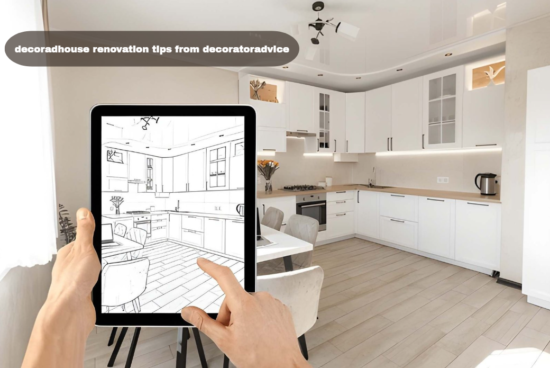
Kitchen Layout and Storage
These three areas account for more renovation spending and more buyer attention than anything else in a home.
In the kitchen, layout comes before materials. The workflow triangle of sink, stove, and refrigerator still holds as a practical principle. If your current kitchen feels awkward to cook in, a small layout adjustment will do more good than premium countertops in the same broken configuration. Deep drawers, pull-out shelves, and a dedicated pantry zone improve daily usability in ways that granite surfaces alone never will.
When thinking about upgrading tips decoradhouse recommends, the kitchen is always the place to start because it affects daily life more than any other room in the house.
Bathroom Improvements
In the bathroom, tile and lighting work together to set the tone of the room. Large-format tiles create an air of openness in cramped areas. Proper ventilation is non-negotiable. Inadequate ventilation causes mold and moisture damage that costs far more to fix than a fan would have. A well-placed oversized mirror combined with layered lighting removes the dim, cramped feeling that affects many US bathrooms.
Lighting Throughout the Home
Lighting deserves its own attention in every room. Good lighting uses three layers: ambient overhead light, task lighting for work surfaces, and accent lighting to add depth. Dimmable fixtures give you control over the mood at different times of day. Warm white LED bulbs around 2700K suit living spaces and bedrooms. Cooler whites around 4000K work better in kitchens and bathrooms. Natural light is the most valuable kind. If your renovation includes structural work, consider whether a larger window or skylight is feasible.
Do Not Overlook Your Home’s Exterior and Garden
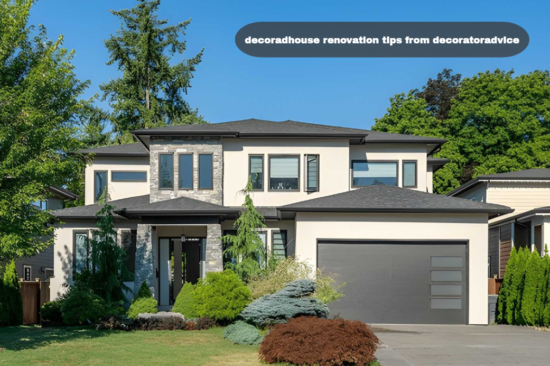
Curb Appeal Matters More Than Most Homeowners Think
Interior renovations get most of the attention and most of the budget, but the outside of your home is what buyers and guests see first. Simple home exterior hacks decoradhouse covers include repainting the front door, replacing worn house numbers, updating porch lighting, and pressure washing the driveway. These changes cost relatively little but shift the first impression of the home significantly.
Bring the Garden Into Your Plan
Most renovation plans stop at the back door. But a neglected yard undercuts an otherwise strong interior. Decoradhouse garden tips by decoratoradvice focus on low-maintenance landscaping choices that hold their shape through the seasons. Native plants suited to your US region require less watering, less fertilizer, and less upkeep than imported ornamental varieties. A clean lawn edge, a defined garden bed border, and consistent mulching can give a yard a finished look that photographs well and holds up year round.
Finish Well and Protect What You Built
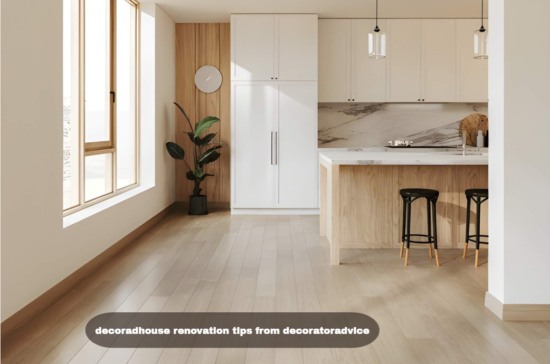
The Final Details Make the Difference
The last stage of a renovation is where most homeowners rush. Small details like paint edge quality, hardware consistency, and outlet covers shape how the finished project feels. When done well, the whole space feels considered. When rushed, the result feels incomplete regardless of how much was spent.
Take time with painted trim lines. Update hardware throughout the house in a consistent finish to create cohesion. After work is complete, professional cleaning removes the fine construction dust that settles on every surface and lets new finishes look their best.
Maintain What You Built
Protect what you built. Felt pads on furniture legs, mats at exterior doors, and exhaust fans used after showers all extend the life of new finishes. Keep all documentation from the renovation, including permits, warranties, appliance manuals, and contractor contacts. This file matters when something needs repair and matters even more when you sell. Buyers and inspectors will ask about major work. Showing permitted, documented renovations protects your sale price and builds buyer trust.
Decoradhouse renovation tips from Decoratoradvice treat maintenance as part of the renovation itself. A project that is well finished and consistently maintained holds its value. One that is rushed and ignored shows wear within a few years.
Final Remarks
Renovating a house is more than just building. It is a series of decisions made under pressure, often with incomplete information and a budget that feels smaller the deeper you get into the work. What separates homeowners who end up satisfied from those who end up stressed is not how much they spent. It is how well they planned, how carefully they hired, and how consistently they followed through on every stage.
Decoradhouse renovation tips from Decoratoradvice are built around one core idea: a renovation should make your home better for the people who live in it, not just better looking in photographs. When that principle guides the decisions, the results tend to hold up. The investment of time, money, and attention pays back in a home that works well, feels good to be in, and holds its value for years to come.



Pingback: Living Room Decor Ideas With a Sectional: How to Arrange Furniture, Rugs, and Lighting Tips Decoradhouse