
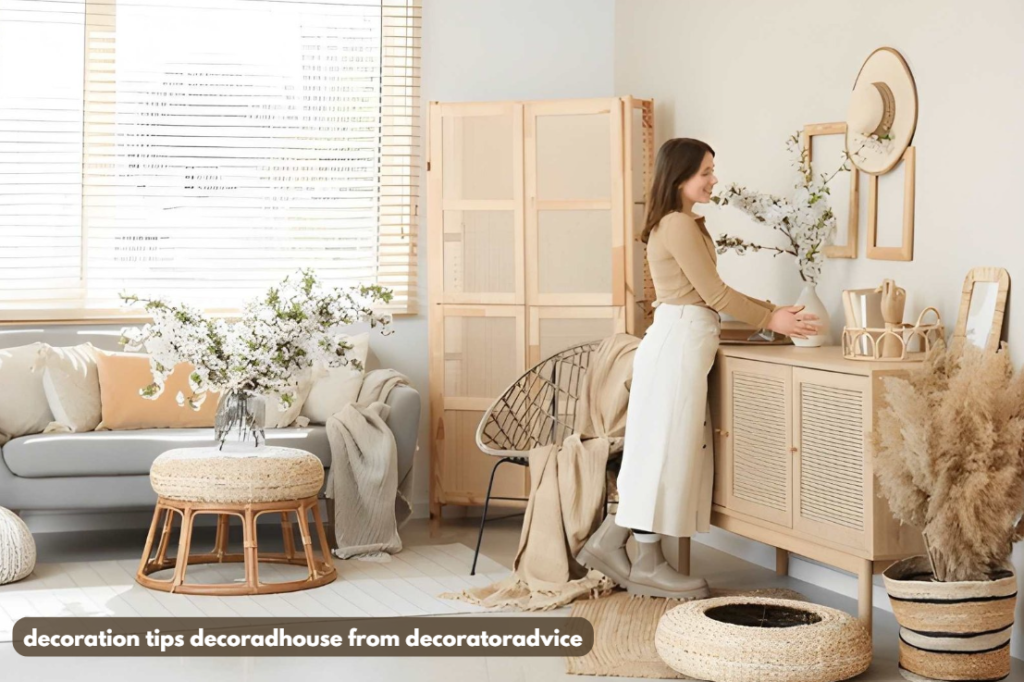
Homes in the United States often feel better when they are simple, calm, and easy to live in. Most people do not want complicated design ideas or expensive changes. They just want a space that feels right when they walk in.
This guide walks through real ways to improve different parts of a home. It talks about color choices, furniture placement, lighting, and small space ideas. It also covers mistakes people make without noticing them.
The goal is to help you understand what actually works in everyday homes across the United States. Not showroom setups. Real homes with real use.
You will see how decoration tips decoradhouse from decoratoradvice are not about adding more things. It’s about utilizing what you already have more effectively. Each section breaks things down in a clear way so you can apply it without stress or confusion.
The Real Idea Behind Home Decoration
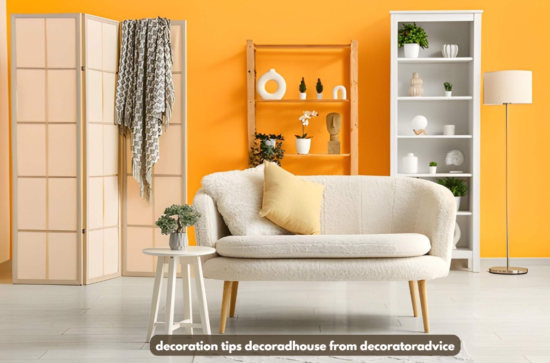
If you look at most home design advice online, the same ideas keep showing up. Keep things simple. Make space useful. Avoid clutter. These are not trends. They are basic rules that work in real life.
A home should support daily living first. Looks come after that.
In many United States homes, rooms do more than one job. A living room can also be used for family time or as a workspace. Because of that, layout matters more than decoration items.
People often think decoration means adding things. In reality, it is also about removing what is not needed. When an area has space to breathe, it feels better.
Another important part is comfort. Not the fancy kind. The kind where you can sit, move, and live without feeling crowded or distracted.
Decoration tips decoradhouse from decoratoradvice focus on that balance. Less pressure. More function. A space that fits your daily routine instead of fighting it.
Color Choices That Actually Work at Home
Color can change how a room feels more than anything else. But many people overthink it or pick too many shades at once.
Most homes in the United States stick to simple colors like white, beige, soft gray, or light brown. That’s because of something. These hues don’t conflict with lighting or furnishings. Your closet is a great place to discover which accent colors you already love for your space.
Starting with calm base colors is usually the best approach. Once that is set, you can add small touches of stronger color through pillows, rugs, or wall art.
Using too many vibrant colors in one space is one error individuals make. It starts to feel busy instead of styled. You can balance a room by using a main color for 60% of the space and a secondary shade for 30%. The final 10% should be a bold accent color to create visual interest without effort.
Light in the room also changes how color looks. A paint shade can look soft in the morning and darker at night. That is why testing a small patch first always helps.
Keeping color flow between rooms also helps the whole home feel more connected. It does not mean everything must match. It just means rooms should not feel disconnected from each other.
Color choices can also connect the interior with the home exterior, helping the entire property feel more coordinated.
When color is handled simply, the whole home feels more settled.
Furniture Layout That Makes Life Easier
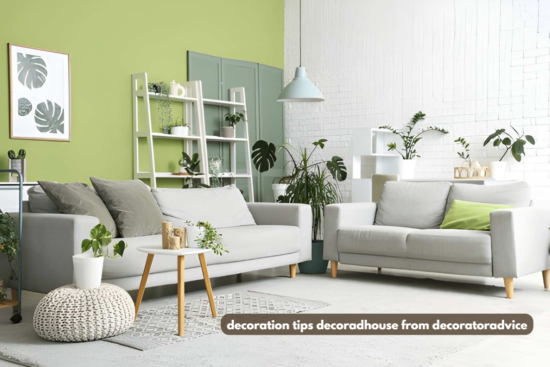
Furniture placement can either make a room easy to use or annoying to move through. Many people do not notice this until something feels off.
A common issue is pushing everything against the walls. It sounds neat, but it often makes the center of the room feel empty and awkward.
The focus is on natural movement through the space. You should be able to walk through a room without thinking about where to step.
In living rooms, seating should feel connected. If sofas and chairs are too far apart, the space feels split. If they are too close, it feels tight.
The goal is balance. Not perfection. Simple decor tips can make furniture placement work better, especially when the goal is to keep the space simple and easy to move through.
Another helpful idea is creating small zones inside one room. A reading corner. A TV area. A space for talking. Even in small homes, this helps things feel organized.
Trying different layouts before settling often leads to a better setup. Moving furniture a few inches can change the whole feel of a room.
Most of the time, better design is already possible with what you own. It just needs a different arrangement.
Lighting That Changes Everything Without Big Changes
Lighting is one of the most ignored parts of home design. Yet it affects everything.
A room with poor lighting feels smaller, even if it is large. A well-lit room feels open, even if it is small.
Decoration tips decoradhouse from decoratoradvice suggests using more than one light source. A ceiling light alone is usually not enough.
Lumination ideas can also help create a more balanced and comfortable space. Table lamps and floor lamps help soften the room while making it feel more relaxed in the evening.
- Natural light is even better. Keeping windows open and free from heavy coverings allows daylight to do most of the work.
- Warm lighting often feels more comfortable in living areas. Cooler lighting works better when you need focus, like in a kitchen or study space.
Placing lights at different heights can make the room feel more balanced. This avoids flat lighting and makes the room feel more natural.
Good lighting does not need expensive fixtures. It just needs balance.
Small Spaces That Do Not Feel Small
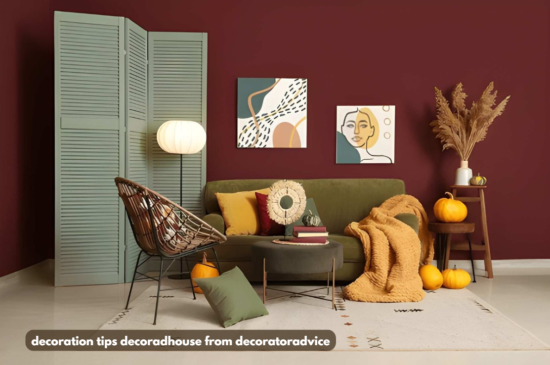
Small homes and apartments are common in many United States cities. The challenge is making them feel open without changing the structure.
The focus is on reducing visual clutter so the space feels calmer. That means fewer bulky items and fewer unnecessary decorations.
Furniture with clean shapes works better in small rooms. Modern living room decor ideas for small spaces often focus on slim furniture, simple designs, and pieces that serve more than one purpose. Heavy designs take up too much visual space.
Storage is also important. When things are hidden or organized, the room feels bigger instantly.
Mirrors can help reflect light and add depth, especially near windows.
Avoiding filling every nook and cranny is another straightforward strategy. Wasted space does not equate to empty space. In fact, it facilitates breathing in the space. Small rooms feel much larger when you use tall shelves to save floor space and hang curtains higher than the window frame. This strategy draws the eye upward to create the illusion of height.
It suggests using fewer items and making sure each one has a clear purpose or meaning.
That approach keeps small spaces from feeling crowded. Small outdoor areas feel more usable when you apply home exterior hacks , focusing on simple seating, clean walkways, and less clutter.
Bedroom Design That Helps You Rest
A bedroom should feel calm. Not busy. Not loud. Just comfortable.
The focus is on soft textures and simple colors in bedrooms. At the end of the day, this makes it easier for the mind to slow down.
Lighting should be soft and warm. Bright overhead lights can feel too harsh for resting.
Furniture should be limited to what is needed. A bed, a table, and storage are usually enough. Simple renovation tips can also help improve the layout without making the bedroom feel crowded.
Too many objects in a bedroom can make it harder to relax. Even small clutter can affect how restful the space feels.
It also suggests keeping personal items simple and meaningful. A few items are enough to make the room feel personal without making it crowded.
The goal is a space that feels quiet, not empty, and not overloaded.
Kitchen Design That Stays Practical
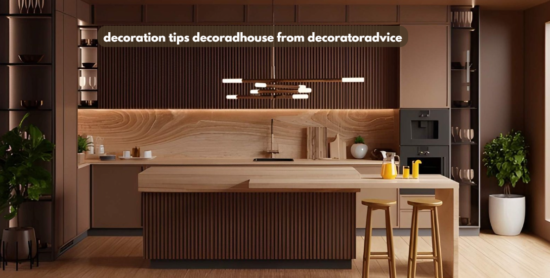
Kitchens are used every day, so they need to stay simple and efficient.
It focuses on clear counters and easy access to tools.
When counters are clean, cooking feels easier and faster.
Storage plays a big role. Everything should have a place so the kitchen does not feel messy.
Lighting over work areas is also important for safety and comfort.
Simple color choices work best in kitchens because they stay clean-looking longer and are easier to maintain. A practical kitchen layout keeps the sink, stove, and fridge close together to ensure the path between them is clear. This simple arrangement saves significant time during daily cooking and routine tasks.
The best kitchens are not the most decorated. They are the easiest to use.
Mistakes People Keep Making in Home Decoration
Adding an excess of decorative elements at once is a common error. It makes rooms feel crowded instead of styled.
Another issue is ignoring size. Large furniture in small rooms creates imbalance. It might be difficult to find small objects in big spaces.
Poor lighting is also a frequent problem. One light source rarely works well on its own.
Another decorating mistake is overlooking the garden. Decorating a house is not limited to furniture and indoor spaces; the garden also contributes to the home’s overall appearance. Simple garden tips can help create an outdoor area that feels connected to the rest of the home.
Small Seasonal Changes That Refresh a Home
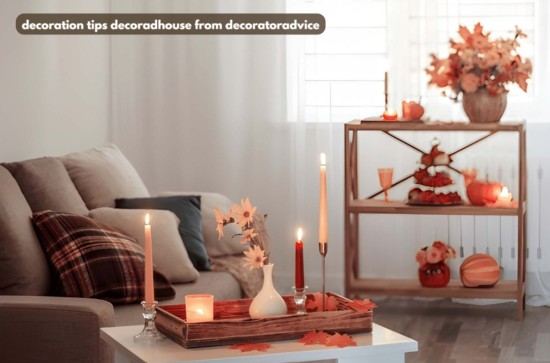
You do not need to redesign your home every season. Small updates are enough.
Changing cushions, light fabrics, or small decor items can make a space feel new again.
It suggests making small adjustments instead of big changes. It keeps the home fresh without stress or cost. Small seasonal changes feel easier to manage with decoradhouse garden tips by decoratoradvice, like switching plants or adjusting outdoor decor.
Building Your Own Style Over Time
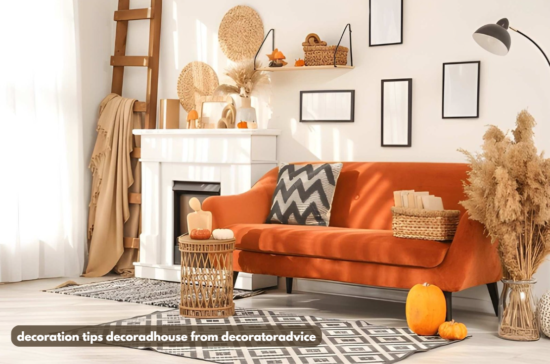
Good home style does not happen in one day. It develops slowly through daily living and small upgrades that make the space more comfortable and practical.
It encourages noticing what feels comfortable instead of chasing trends.
What works in real life matters more than what looks good in photos.
Over time, your home becomes a reflection of how you actually live, not just how you want it to look.
Conclusion
A well-designed home is not about adding more. It is about choosing better.
Decoration tips decoradhouse from decoratoradvice, show that small, simple changes can improve comfort, flow, and style in any home. When you focus on balance, space, and function, your home naturally feels better to live in.