

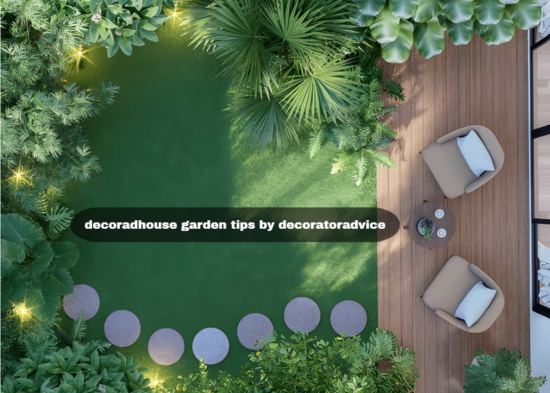
A garden should feel like part of your home. It shouldn’t resemble a second job. Many people in the United States want outdoor space that looks clean, grows well, and does not demand constant attention. That is where decoradhouse garden tips by decoratoradvice can help. The idea is not about trends or decoration for show. It is about clear planning, smart plant choices, and steady care that fits real life.
Start With Observation
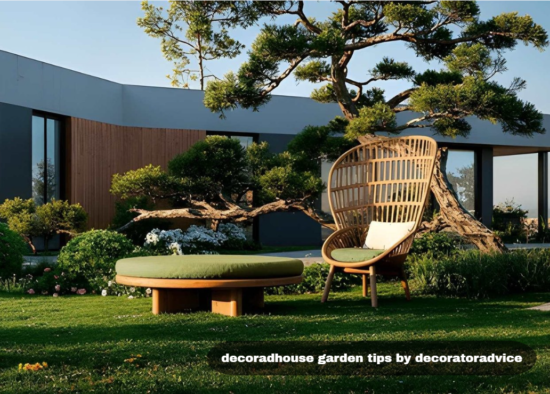
Good gardening starts before you buy anything. It starts with observation. Look at your yard during the day. Notice where sunlight falls. Watch how water moves after rain. Check the soil with your hands. These small steps matter more than most people think. When you understand the space first, you make better decisions later. Decoradhouse garden tips by decoratoradvice encourage steady small tasks rather than large sudden changes.
Keep the Design Balanced
Decoradhouse garden tips focus on balance. A garden should not feel crowded. It should have space to breathe. Plants need room to grow. Paths should stay open. The design should support movement and daily use. When structure is clear, the garden becomes easier to maintain.
Decide the Main Purpose
Purpose also matters. Consider your goals for the area. Some families are looking for a peaceful spot to sit. Others want space for children to play. Some want to grow vegetables. Each goal changes the layout. Decoration tips decoradhouse from decoratoradvice encourage you to choose one main purpose before starting. This prevents confusion and saves money.
Match Plants to Sunlight
One of the most crucial elements in US gardening is sunlight. Different states have different climates, but sunlight rules stay the same. Some plants need full sun. Others grow better in partial shade. If you place plants in the wrong light, they will struggle no matter how much care you give them. So match plants to light conditions first. This simple step improves results more than any decoration ever could.
Build Healthy Soil
Soil is another foundation. Many homeowners ignore it, but soil quality decides plant health. Good soil holds moisture but still drains well. It should feel loose and rich, not hard and compact. Adding compost is one of the easiest improvements. Compost supports roots and improves texture over time. Decoradhouse garden tips by decoratoradvice: Always place soil preparation at the center of planning because strong soil leads to strong growth.
Choose Plants for Your Climate
Plant selection should match your local climate. The United States has many growing zones. A plant that works in one region may fail in another. Check your local hardiness zone before buying plants. Choose species that can survive your winters. Choosing native plants is generally a wise decision. They adapt to local weather and usually require less water once established. They also support local insects and birds, which helps the environment.
Use Layers for Stability
Mixing plant types can improve stability. Perennials return each year and create structure. Seasonal flowers add color. Shrubs give shape. When these layers work together, the garden feels complete.
Water With Care
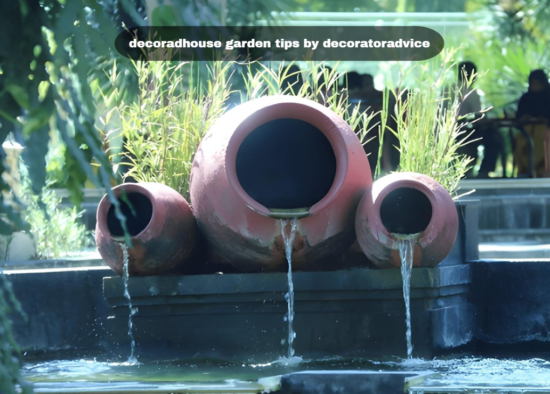
Watering can make or break a garden. Many people either water too often or not enough. Both can cause problems. Plants usually do better with slower, deeper watering instead of small amounts every day. It helps the water reach the roots. Early morning is often a good time because the air is cooler and less water evaporates. It also helps leaves dry during the day. In places where summers are dry, some homeowners use simple drip lines to send water straight to the soil. That keeps things steady without wasting water.
Arrange Plants With Space
How you arrange plants also affects the whole space. When everything is packed tightly, the yard feels crowded. Plants need space to grow and breathe. Air moving between them lowers the chance of disease. Taller plants can sit near fences or at the back of beds. Shorter ones work better in front. This keeps the view clear and makes the space easier to manage. Good structure often matters more than decoration.
Follow the Seasons
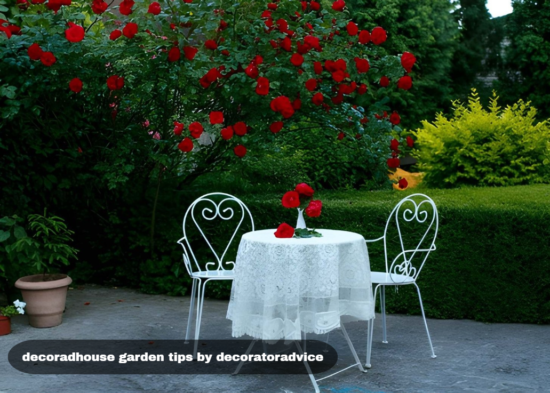
Gardens change with the seasons, so care should change too. In spring, the focus is usually on preparing soil and planting. Summer often means watching water levels and checking for insects. In fall, it helps to clean up old plants and fallen leaves. Winter is a quieter time, but it is useful for planning and protecting sensitive plants. When tasks are spread across the year, the work feels lighter. The garden stays healthier without big sudden efforts by garden hacks decoradhouse.
Keep maintenance simple.
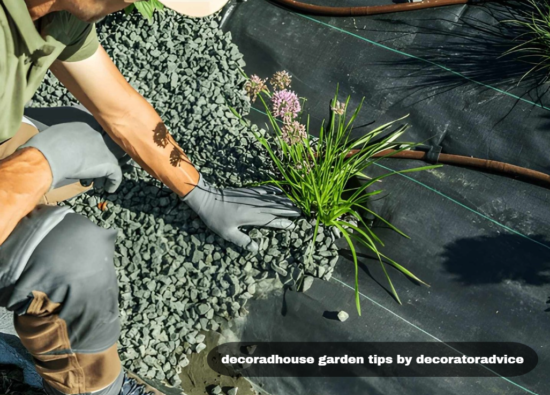
Maintenance should stay simple. Many gardens become stressful because they are too complex. Use mulch around plants. Mulch helps control weeds and keeps soil moist. Choose plants that fit your climate so you do not need constant replacements. Keep decorations minimal. When structure is strong, you do not need extra items to make the space look good.
Make the Most of Small Spaces
If you have limited space, you can still build a useful garden. Vertical gardening works well in small yards or patios. Use walls, fences, or containers to grow plants upward. This saves ground space and adds depth. Even a small balcony can feel green with thoughtful planning. Tips Decoradhouse apply to large and small spaces because the principles remain the same. Plan first. Match plants to conditions. Keep design clear.
Practice Simple Sustainability
Sustainability matters in a garden. Many people in the United States try simple steps at home. They keep kitchen scraps for compost instead of throwing them away. That compost goes back into the soil and slowly improves it. Some homeowners also collect rainwater when they can. It helps during dry weeks. Choosing plants that handle less water is another practical step. It reduces pressure during hot summers. These habits do not feel dramatic. But over time, they make the garden healthier and easier to manage.
Avoid Common Problems
Another issue that often causes trouble is planting too close together. When plants have no space, they struggle. They compete for light. They compete for nutrients. Growth becomes weak. Drainage is another detail people overlook. If water stays in one area for too long, roots can suffer. A simple walk around the yard after rain can show where problems exist. Fixing those areas early saves work later. Many of these problems are avoided before they arise with careful planning.
Add Personal Style With Care
Personal style should still have a place. Your garden should reflect your taste. But style should not overpower structure. Choose a consistent theme. Keep materials similar. Match outdoor furniture with the house design. Simple coordination often looks better than complex decoration. When the foundation is strong, small details become more meaningful.
Focus on Long-Term Growth
Long-term success comes from consistency. Gardens grow slowly. Results take time. Patience is important. Adjust as you learn. Observe how plants respond. Improve soil gradually. Refine layout when needed. Decoradhouse garden tips by decoratoradvice focus on steady progress rather than fast transformation.
Final Remarks
Ultimately, a garden ought to facilitate everyday existence. It shouldn’t be stressful. With careful planning, proper soil care, correct plant selection, and simple maintenance, any outdoor space in the United States can improve. Decoradhouse garden tips by decoratoradvice offer a practical path toward that goal. The approach is straightforward. Understand your space. Keep design balanced. Choose plants wisely. Care for the soil. Maintain regularly.


Pingback: 10+ Garden Hacks Decoradhouse to Fix Your Yard Fast Tips Decoradhouse