
I used to think gardening meant spending every Saturday morning hunched over flower beds, sweating through my shirt, and still ending up with half-dead tomato plants by July. That was me three summers ago, standing in my backyard in Ohio, wondering why my neighbor’s garden looked like something out of a magazine while mine looked like a science experiment gone wrong.
What changed things wasn’t some expensive landscaper or a fancy course. It was a handful of practical garden tips DecoradHouse style—the kind of no-nonsense, real-world advice that doesn’t require a horticulture degree or a second mortgage. After applying these for two seasons, I cut my watering time in half, saved close to $200 on soil and fertilizer, and actually started enjoying the process instead of dreading it.
Let me walk you through what actually worked.
Start With Your Soil, Not Your Plants
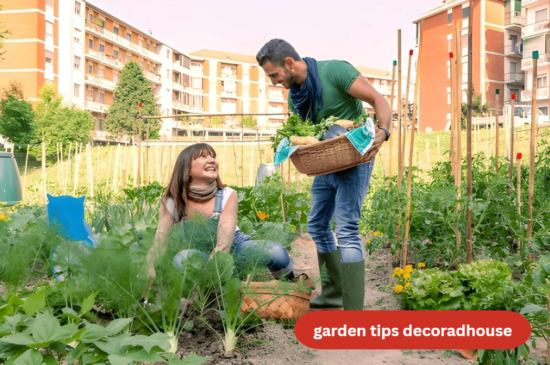
This is the one thing nobody told me when I started. I bought beautiful seedlings from a local nursery in Columbus, planted them in whatever dirt was already in my yard, and watched most of them struggle within two weeks.
Turns out, soil quality is the foundation of everything. A simple at-home test—grab a handful of damp soil and squeeze it—tells you a lot:
- Crumbles apart easily → sandy soil that drains too fast
- Holds together like clay, barely breaks → dense soil where water and roots struggle to move
- Holds shape but breaks apart with light pressure → good loamy soil, ideal for most plants
I started mixing in compost from kitchen scraps (coffee grounds, eggshells, and vegetable peels), and it made a noticeable difference within weeks. This is one of the simplest garden tips decoradhouse readers often overlook because it’s not flashy, but it’s the difference between plants that survive and plants that thrive.
The Mulch Trick That Cut My Watering Bill
I’ll be honest — I resisted mulching for a long time because I thought it was just for looks. Big mistake.
Once I started layering about 2-3 inches of shredded bark mulch around my plants, I noticed I was watering maybe twice a week instead of every single day during the hot months. The mulch keeps moisture locked in the soil and blocks a lot of weed growth too, which means less time spent pulling weeds on weekends.
If you’re working with a tight budget, you don’t need to buy bagged mulch from a garden center. Many local tree services will drop off free wood chips if you call and ask — that’s exactly how I got mine. It’s one of those garden tips that focuses on results over appearances, which honestly matters more once you’re the one doing the work every week.
Companion Planting Actually Works (I Was Skeptical)
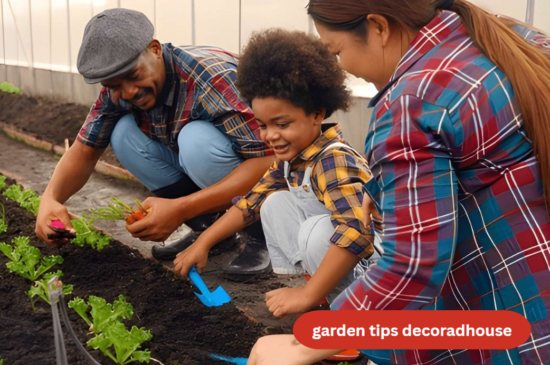
I read about companion planting years ago and dismissed it as old folklore—the idea that planting certain crops next to each other helps them grow better or keeps pests away. Then I planted basil next to my tomatoes almost as an afterthought.
The difference was real. Fewer aphids, healthier tomato plants, and I got a bonus basil harvest for pasta sauce all summer. Here’s a quick reference for pairings I’ve personally tried:
| Plant | Good Companion | Why It Helps |
| Tomatoes | Basil | Repels aphids, improves flavor (anecdotally) |
| Vegetable beds (border) | Marigolds | Discourages rabbits and some insects |
| Carrots | Onions | Onion scent confuses carrot flies |
| Cucumbers | Nasturtiums | Acts as a trap crop for aphids |
| Peppers | Marjoram | Said to improve growth and flavor |
I won’t pretend it’s a magic shield—it’s more of a helpful layer of defense. This kind of pairing strategy is a core part of effective garden hacks decoradhouse approaches because it makes your garden plan function more intelligently rather than more laboriously and lessens the need for chemical pesticides.
Watering Smarter, Not More
For the longest time, I watered my garden every single morning out of habit, not because the plants actually needed it. A local extension office volunteer (Ohio State University Extension runs free gardening hotlines in a lot of counties) told me something that stuck with me: most established plants only need about an inch of water per week, including rainfall.
A few things that helped me water smarter:
- Used a $5 plastic rain gauge to track actual rainfall before deciding whether to water
- Switched to watering early morning instead of midday to reduce evaporation
- Laid soaker hoses directly at the base of plants instead of using overhead sprinklers
- Checked soil moisture 2 inches deep with my finger before assuming plants needed water
That alone cut my water usage significantly, and my plants honestly looked healthier with less, more targeted watering.
Repurposing Household Items (Decoration Tips That Double as Function)
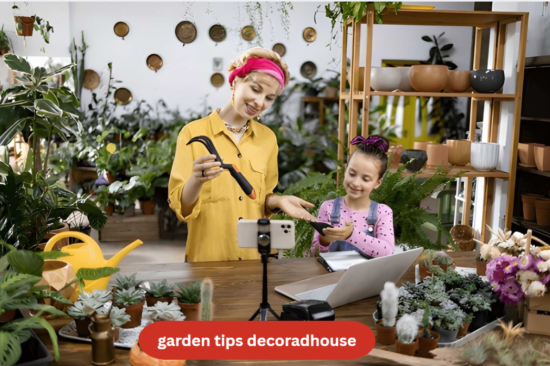
Here’s where things get fun. Some of the best decoration tips decoradhouse from decoratoradvice that I’ve come across actually blend style with practicality, and I’ve borrowed a few for my own yard:
- Old wooden ladder → vertical plant stand for herbs (found mine at a garage sale for $10)
- Mason jars with drilled drainage holes → small windowsill planters
- Painted tin cans → herb pots that add a cohesive, put-together look
- Old dresser drawers → raised planter boxes for shallow-rooted plants
- Wine crates → compact vegetable beds for patios or small yards
The mint and basil now live on different rungs of that ladder, which also keeps the mint from taking over everything else (mint is aggressive, trust me on this one). It costs almost nothing and gives the space a put-together look without buying matching planters from a store.
Timing Your Planting With Local Frost Dates
This sounds basic, but I can’t tell you how many plants I lost early on because I planted too early in spring, eager to get started after a long winter.
Every region has an average last frost date, and planting too soon can wipe out tender seedlings overnight. The Farmers’ Almanac and your local extension office both publish these dates by zip code, and they’re free to check. In my area, the safe planting window is typically mid-to-late May, but I used to plant in early April out of impatience.
Once I started actually checking and respecting that date, my survival rate for seedlings went from maybe 50% to nearly 90%.
Composting Without the Smell or Hassle
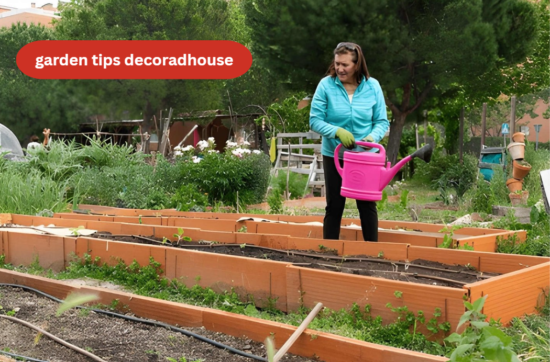
A lot of people avoid composting because they imagine a stinky pile attracting raccoons. My setup is much simpler — a covered plastic bin with holes drilled in the sides and bottom, kept in a corner of the yard.
The key is balancing “greens” and “browns”:
| Type | Examples | Role in Compost |
| Greens | Kitchen scraps, grass clippings, coffee grounds | Add nitrogen to speed up decomposition |
| Browns | Dry leaves, shredded paper, cardboard | Add carbon to prevent smell and sliminess |
| Ratio | 1 part greens to 2-3 parts browns | Balanced mix that breaks down without odor |
Once I got that ratio roughly right, it broke down into usable compost in a few months without any bad odors. This is one of those garden tips decoradhouse enthusiasts swear by because it turns waste into something genuinely useful, and it’s basically free fertilizer.
Pest Control Without Harsh Chemicals
I used to reach for store-bought pesticide sprays the moment I saw a single bug on a leaf. Now, my first move is usually a simple mixture of water, a few drops of dish soap, and sometimes a bit of neem oil, sprayed directly on affected leaves.
It’s gentler on beneficial insects like ladybugs and bees, and it’s worked well enough for aphids and small infestations on my pepper plants. For bigger problems, I’ve learned to just inspect plants more often—catching an issue early with three aphids is a lot easier than dealing with three hundred.
Grouping Plants by Water Needs
One small change that made a big difference: I stopped planting things randomly based on where they “looked nice” and started grouping plants with similar water and sunlight needs together.
- Low-water group: rosemary, thyme, succulents, lavender
- Moderate-water group: peppers, marigolds, most flowering perennials
- High-water group: tomatoes, leafy greens, cucumbers
This means I’m not overwatering the drought-tolerant plants or underwatering the thirsty ones just because they’re sharing a hose schedule. These kinds of garden hacks fans often share aren’t about buying new tools—they’re about rethinking how you organize what you already have.
A Final Honest Note
None of this made my garden perfect. I still lose a plant here and there, and some seasons are just harder than others depending on weather. But these garden tips decoradhouse approach focus on real, low-cost, practical changes, has made gardening feel manageable instead of overwhelming, and that’s honestly the bigger win.
If you’re just getting started, don’t try to do everything at once. Pick one thing from this list—maybe it’s the mulch trick, or checking your local frost date, or starting a small compost bin—and try it this season. See how it goes, adjust based on what you notice in your own yard, and build from there. Your garden, your pace, your results.