
Most yards in the United States look worse than they should. Not because the homeowner does not care, but because the right information is hard to find. People waste money on products that do not work, plant things in the wrong spots, and skip the steps that actually matter. Garden hacks Decoradhouse cuts through all of that. These are practical, tested fixes that cost very little and show results fast.
This article covers more than ten of them, organized in a way that makes sense to follow. Whether your yard is patchy, overgrown, or just feels unfinished, there is something here that will help. You will find tips on soil, water, plants, lighting, and more, all written for real people who want a better yard without turning it into a second job.
Look at Your Yard Before You Touch It
The first mistake most people make is skipping this step. They buy plants, pull weeds, or pour down fertilizer before they understand what the yard actually needs.
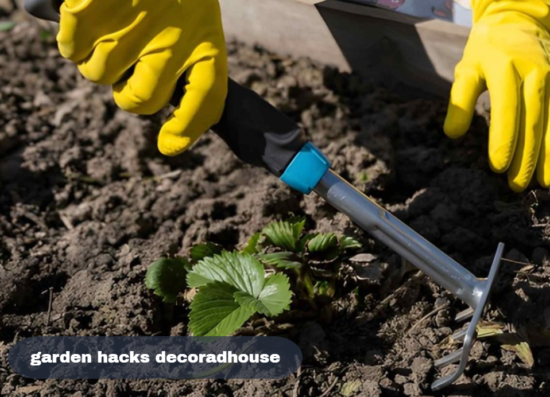
Spend thirty minutes walking around. Notice where water pools after rain. Notice where the grass is thin or the soil looks cracked and hard. Examine which regions receive full light and which are mostly shaded throughout the day. Every subsequent decision is influenced by these observations. Garden hacks Decoradhouse works best when you match the fix to the actual problem rather than guessing.
Fix the Soil First, Everything Else Second
Poor soil is behind most garden failures. Compacted ground blocks roots from growing deep. Soil that drains too fast dries out before plants can absorb water. Soil that holds too much water drowns them. Neither is good.
The fix starts with loosening the ground. Push a garden fork six to eight inches into the soil across the problem areas and rock it back and forth. This breaks compaction without destroying the soil structure. Then mix in organic matter. Aged compost, rotted leaves, or well-decomposed manure all work. Work it into the top several inches before planting anything.
This one step changes plant performance more than any fertilizer can. Roots that can move through loose, nourished soil grow faster and hold up better through dry spells. Garden hacks Decoradhouse puts soil prep ahead of everything because nothing else works well without it.
Water Smarter, Not More
Most people water too much or at the wrong time. Midday watering loses a significant portion of moisture to evaporation before it ever reaches the roots. Evening watering leaves them wet overnight, which encourages fungal problems.
Water in the morning. That gives the soil time to absorb what it needs and gives leaves time to dry naturally through the day.
For slow, consistent delivery straight to the roots, repurpose plastic bottles. Poke several small holes near the cap, fill the bottle with water, and bury it cap-down next to your plants so just the base sits above ground. Water seeps out slowly over hours, right where the plant needs it. It is one of the most effective garden hacks Decoradhouse recommends it for anyone dealing with dry summers, and it costs nothing.
Feed Plants With What You Already Throw Away
Buying fertilizer is optional for most home gardens. Kitchen scraps do the same job over time, sometimes better.
Coffee grounds improve the soil’s texture and supply nitrogen. Scatter them around plants or mix them into compost. Eggshells break down slowly and release calcium, which prevents common fruiting problems in tomatoes and peppers. Banana peels are high in potassium, which supports root growth and helps plants produce more flowers.
A compost setup does not need to be complicated. Pick a corner of the yard and layer food scraps and dry leaves alternately. Keep it slightly damp and turn it every couple of weeks. You will have abundant material to include in your beds in a matter of months. Following garden tips decoradhouse consistently shows that homeowners who compost spend less on soil amendments over time and see better plant health season after season.
Use Mulch Generously
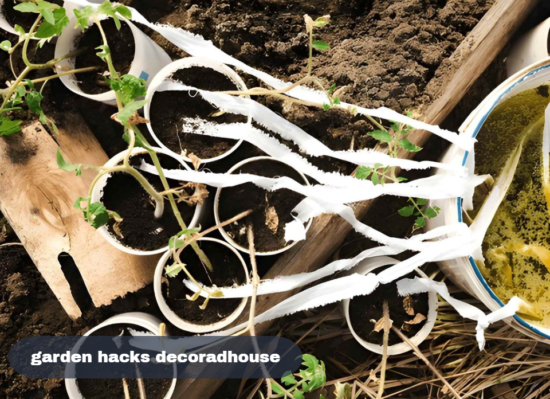
A thin layer of mulch does almost nothing. Three to four inches of wood chip or bark mulch blocks most weed seeds from reaching light, holds moisture in the soil between waterings, and insulates roots from heat and cold. That depth makes the difference between mulch that works and mulch that is just decorative.
Many cities and counties across the US offer free wood chips through municipal programs. Check your local government website. Arborists will also drop off chips for free when they are working nearby because it saves them a disposal trip.
Think Vertically When the Ground Is Limited
Small yards feel more spacious when you use walls, fences, and vertical structures as growing surfaces. A wooden pallet standing upright and filled with soil grows herbs, succulents, or strawberries in a fraction of the ground space a traditional bed would need. Attach it to a fence and a bare wall becomes a garden.
Wire or wooden trellis panels give climbing plants somewhere to go. Beans, cucumbers, and ornamental vines all grow vertically with minimal support. This frees the ground beneath for low-growing plants and makes harvesting easier at the same time.
Hanging baskets on porches and fences work well for trailing plants. They are easy to water, easy to move, and create visual interest at eye level rather than just at ground level. This approach is a core part of upgrades decoradhouse recommends for compact outdoor spaces where every square foot counts.
Edge Your Beds for an Instant Clean Look
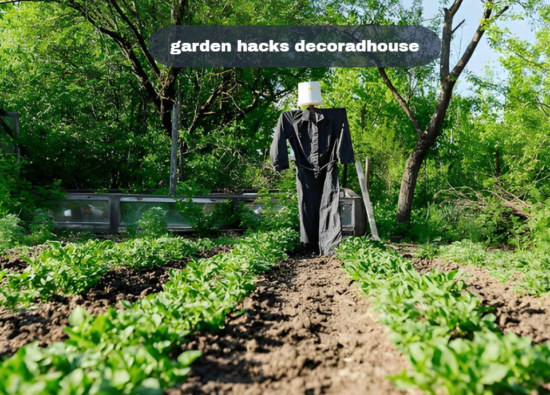
Clear edges between lawn and garden beds are one of the fastest visual fixes available. A half-moon spade or edging tool cuts a clean line in about fifteen minutes per bed. The difference is immediate. Even if the plants inside the bed are still establishing themselves, the yard appears purposeful rather than overgrown.
For a more permanent edge, use what you already have. Smooth river stones, reclaimed bricks, or short timber boards all work as edging materials. They keep mulch contained, stop grass from creeping in, and give the bed a defined shape that holds up through rain and foot traffic.
Match Plants to Your Climate
Buying plants that cannot handle your local conditions is one of the most expensive mistakes in gardening. A plant that struggles with your summer heat or winter frost will need constant attention and will often die anyway.
Based on typical winter temperatures, the USDA Plant Hardiness Zone Map splits the US into zones. Most nursery tags list which zones a plant suits. Matching your purchase to your zone before you leave the store saves time and money.
Native plants go further. They evolved in your specific region, which means they are already equipped to handle local rainfall patterns, soil types, and temperature swings. Once established, they need far less water and almost no fertilizer. Decoradhouse garden tips by decoratoradvice consistently point toward native and climate-appropriate plant selection as the foundation of a low-maintenance, high-performing yard.
Add Solar Lighting Along Paths and Beds
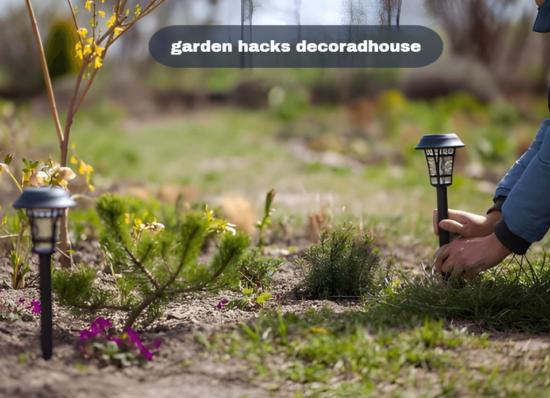
Good lighting makes a yard feel finished and adds practical safety around walkways and entry points. Both issues are resolved by solar lighting without the need for continuing maintenance or electrical work. Modern solar path lights hold charge through most of the night after a full day of sunlight.
Place them along garden paths, at bed edges, or at the base of feature plants. String lights powered by a small solar panel work on fences and pergolas and create a warm effect in the evening that changes how the whole space feels. A set of eight to twelve path lights typically costs between twenty and fifty dollars at any major home improvement store in the US.
Turn Old Items Into Planters
Any container that holds soil and drains water can be a planter. Old metal buckets, wooden wine crates, rubber boots, cracked ceramic bowls, and worn colanders have all been used successfully. The only requirement is drainage. Drill or punch several holes in the bottom before filling with soil.
Old wheelbarrows make excellent movable raised beds. You can shift them around the yard to follow the sun as the season changes, which is a real advantage in yards with uneven light. Grouping containers by material or color creates a cohesive look even when the sizes are different.
Decoration tips decoradhouse from decoratoradvice suggest keeping a consistent theme through your container choices. Three weathered metal containers of different sizes read as intentional. Three containers in three different materials and colors read as random. The small detail changes how the whole space is perceived.
Zone Your Yard to Cut Maintenance Time
A yard divided into clear zones is easier to maintain than one open space with no structure. Decide where you will grow food, where the lawn will stay, where beds will sit, and where you will have a seating or relaxation area. Once those zones are set, maintenance becomes a series of short tasks rather than one long one.
Put plants in the same zone that require similar amounts of water. This prevents the common mistake of overwatering drought-tolerant plants because they share space with thirsty ones. Simple paths of gravel or stepping stones between zones define the layout, reduce compaction on planted areas, and make the yard feel designed from the first day.
Garden hacks Decoradhouse is at its most useful when applied in a logical sequence. Fix the soil. Manage water well. Use what you have. Add structure before you add decoration. These steps together produce a yard that looks cared for, functions well, and stays manageable through every season.