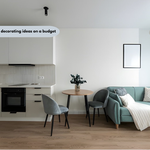

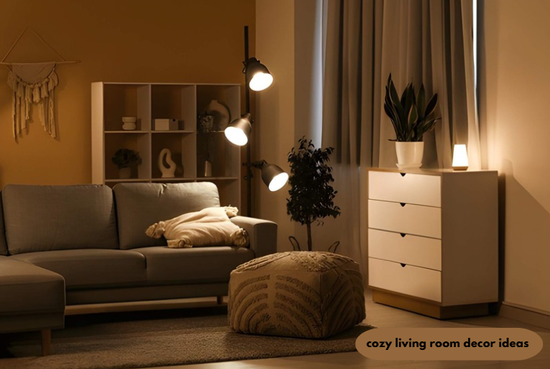
A cozy room is a space that feels warm, comfortable, and inviting as soon as you walk in. Soft textures, warm lighting, comfortable furniture, and a balanced mix of materials can create that feeling. It doesn’t mean filling the room with blankets and candles; the colors, lighting, layout, and overall feel matter just as much.
Cozy living room decor ideas work by changing how a room reflects light, absorbs sound, and holds heat. A room reads as cold when hard, reflective surfaces dominate. It reads as warm when soft materials, layered lighting, and mid-tone colors balance those surfaces. This guide covers 15 changes, a formula for measuring coziness, a regional cost comparison, and the most common styling mistake that keeps a room feeling flat.
Key Takeaways
- A room needs a minimum ratio of soft-to-hard surfaces to feel cozy; most cold rooms fall below it.
- Cozy makeovers cost differently by region, with small-space homes often spending more per square foot.
- Mismatched bulb color temperature is the most common reason a “cozy” room still feels sterile.
- Three light sources at different heights outperform one overhead fixture.
- Renters can apply nearly all 15 ideas without permanent changes.
What Is Cozy Living Room Decor?
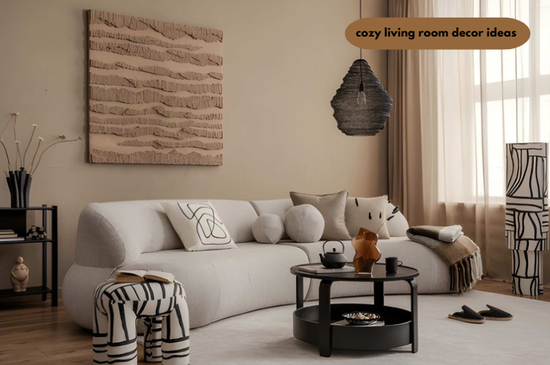
Cozy living room decor is a design approach that uses layered textiles, warm-toned lighting, and natural materials to make a space feel physically and visually inviting.
15 Cozy Living Room Decor Ideas That Actually Work
These ideas start with the changes you’ll notice most and end with the little details that make a room feel more comfortable.
- Start with a large area rug: A big rug under the sofa and chairs makes hard floors feel softer and helps the room sound less echoey.
- Keep a few throw blankets nearby: Mix chunky knits, faux fur, or woven cotton instead of using blankets that all look and feel the same.
- Use warm lamps: If the overhead light feels harsh, turn it down and add lamps around the room at about eye level.
- Mix your throw pillows: Different sizes and a few simple patterns usually look better than a sofa covered in matching pillows.
- Add some natural wood: A wood coffee table, side table, or shelf can warm up a room without adding much clutter.
- Let curtains reach the floor: Hang the rod high and let the curtains touch the floor. A slight pool at the bottom can look even better.
- Try warmer wall colors: Warm taupe, terracotta, and sage can make a room feel more inviting than plain white.
- Pick one soft, plush piece: A boucle chair, velvet pillow, or chenille ottoman is enough to add some softness.
- Bring in a plant or two: Greenery breaks up all the straight lines from sofas, tables, and shelves.
- Give your decor some height: Put books, frames, and small objects at different heights instead of lining everything up.
- Keep blankets in woven baskets: They give you an easy place to hide extra throws while adding a bit of texture.
- Hang artwork around eye level: Keep the center of your artwork or gallery wall close to eye level so it doesn’t feel too high.
- Use a pouf when a corner feels empty: A small pouf or ottoman can fill the space without making the room feel crowded.
- Give the room a warm scent: A candle or diffuser with amber, cedar, or vanilla can add to the cozy feeling.
- Bring the seating closer: Sofas and chairs should be close enough that people can talk without raising their voices.
You don’t need all fifteen. Pick five that fit your room and do them well. That will usually look better than trying to squeeze everything in.
The Layer Ratio: A Formula for Diagnosing a Cold Room
What Is the Layer Ratio?
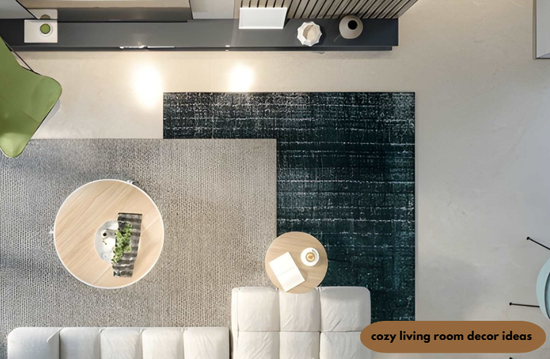
The Layer Ratio measures coziness by dividing the square footage covered by soft materials by the room’s total floor area. Soft materials include rugs, upholstery, and textile-covered surfaces. Cold-feeling rooms typically measure below 0.35; cozy rooms land between 0.5 and 0.7.
How to Calculate It in Your Own Room
Measure the square footage of every soft surface in the room, then divide by the room’s total floor area to get a percentage. This takes under ten minutes and produces a concrete number instead of a guess.
For a 200-square-foot living room, add up rug footage, upholstered seat and back cushion area, and any poufs. A 70-square-foot total gives a Layer Ratio of 0.35, at the low end of the cold-room range. A larger rug or a second upholstered chair typically pushes the ratio past 0.5 without structural changes. This practical calculation can complement everyday decoration tips, which often rely more on visual instinct than measurable figures.
How Cozy Decor Costs Compare Across U.S. Regions
Home size directly affects cost per square foot, since smaller rooms need proportionally more furniture and textiles relative to their footprint.
| Region | Typical Living Room Size | Estimated Cozy Makeover Cost | Cost Per Square Foot |
| Small NYC apartment | 150–200 sq ft | $800–$1,400 | $5.30–$7.00 |
| Suburban Texas home | 300–400 sq ft | $1,200–$2,000 | $4.00–$5.00 |
| Midwest starter home | 250–320 sq ft | $1,000–$1,700 | $3.60–$5.30 |
Smaller rooms cost more per square foot because rugs, curtains, and seating have minimum price floors regardless of room size. A studio living room in a dense metro area often needs the same quality rug and lighting as a larger suburban room, shrinking the cost advantage smaller spaces would otherwise have. The same pattern applies to small bedroom decorating ideas on a budget, where fixed textile and lighting costs eat up a larger share of a smaller total budget.
The Most Common Cozy Decor Mistake
What Is Color Temperature and Why It Matters
Color temperature measures how warm or cool a bulb’s light looks, measured in Kelvin, with lower numbers appearing warmer. Bulbs between 2200K and 3000K produce the amber tone associated with cozy spaces; bulbs above 4000K produce a bluish, clinical light.
How to Fix a Mismatched Lighting Setup
Replace any bulb rated above 3000K with one in the 2200K to 2700K range to immediately shift a room’s temperature. This single swap resolves the most frequent styling failure seen in DIY cozy makeovers.
Homeowners often buy the right rugs, blankets, and furniture but leave the original bulbs in place. This is one of the simple upgrade tips by decoratoradvice that can make a noticeable difference without changing the room. A bulb above 4000K washes out warm colors and flattens textiles under direct light. Checking the Kelvin rating on the box takes seconds and costs nothing beyond a replacement bulb.
For practical lumination ideas, aim for 2200K–3000K in cozy spaces, while most installed bulbs skew toward 3500K–5000K, a range marketed for years as more energy-efficient. These are two different figures, a target versus an installed-base average, and treating them as interchangeable leads to buying the wrong bulbs.
When These Rules Don’t Apply
A high Layer Ratio and warm lighting do not guarantee a cozy result in every room. North-facing rooms with limited daylight can still feel cold, because daylight entering during the day reads as cool-toned regardless of bulb choice.
Warm-toned window film or cream and amber sheer curtains help offset that daylight cast. Homes under strict HOA or lease restrictions on paint and fixtures also limit which of the 15 ideas apply. In these cases, practical renovation tips often favor portable options like rugs, lighting, and textiles over paint or built-in changes.
Frequently Asked Questions
What colors make a living room feel cozy?
Warm neutrals, terracotta, sage, and warm taupe make a room feel cozy because they absorb rather than reflect light. Stark white and cool gray read as cleaner but colder, and mid-tones also hide the clutter of a layered space.
How do I make my living room cozy on a budget?
Focus on lighting and textiles first, since both cost less than furniture and produce the biggest visible change. Swapping to warmer bulbs, adding a rug, and layering two blankets typically costs under $200.
Does a cozy living room need a fireplace?
No. Layered lighting, textiles, and a higher Layer Ratio produce the same warm effect through material and light choices rather than an actual heat source.
What is the best lighting for a cozy living room?
Combine three sources at different heights: a floor lamp, a table lamp, and one accent light such as a candle. Bulbs should fall between 2200K and 2700K.
How many throw pillows are too many for a sofa?
Most sofas hold three to five pillows comfortably, depending on length. Beyond five, pillows crowd usable seating space rather than adding warmth.
Can renters make a living room cozy without painting?
Yes. Rugs, lighting, curtains, and textiles account for most of the visual impact. Removable wallpaper and tension curtain rods extend these options without violating most leases.
Why does my living room still feel cold after adding decor?
Usually because the lighting temperature was never changed, even after adding warm-toned furniture. Checking bulb Kelvin ratings resolves this in most cases once the Layer Ratio is already above 0.4.
Conclusion
Cozy living room decor ideas succeed when they address measurable factors: the ratio of soft to hard surfaces, the color temperature of installed lighting, and the cost realities of a room’s size and region. A room with a Layer Ratio above 0.5 and bulbs in the 2200K to 2700K range reads as warm regardless of budget. Fixing the lighting mismatch alone resolves the most common reason a decorated room still feels cold.