

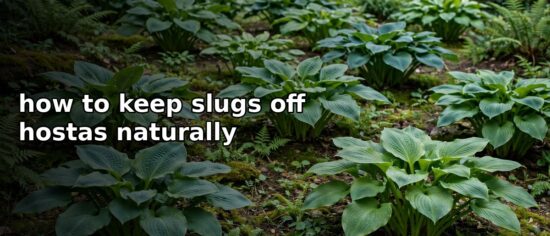
You can keep slugs off hostas naturally by combining barriers, traps, and smarter watering rather than relying on a single fix. Copper tape, gritty mulch, evening watering changes, and slug-resistant varieties together protect leaves all season without harming pets, wildlife, or soil life.
Key Takeaways
- Slugs feed at night in damp shade, so hostas in moist, shady beds are their favourite target.
- No single natural method is foolproof — barriers, traps, and habitat changes work best together.
- Copper tape, sharp grit, and crushed eggshells make it harder for slugs to reach the leaves.
- Beer traps only work when sunk level with the soil and emptied every few days.
- Salt and harsh chemical pellets are not worth it: they damage soil, plants, pets, and wildlife.
Why Do Slugs Love Hostas So Much?
Hostas are the perfect slug food: broad, soft leaves held close to the ground give slugs shelter and dinner in one place. Slugs are most active at night and in damp weather, and a hosta bed under trees or beside a wall stays moist long after the rest of the garden dries out. For siting advice, see garden tips decoradhouse.
Slugs rasp ragged holes in leaves and can strip a young hosta in a few nights, ruining the display all season.
What Barriers Actually Stop Slugs?
Barriers make the journey unpleasant and protect the plant around the clock without chemicals.
Copper tape is the best-known barrier: a slug’s moist body touching copper gets a small charge it avoids. Wrap it around pots or raised-bed rims; for open ground, lay wide, unbroken copper rings around each plant, with no leaf flopping over to form a bridge.
Sharp grit and crushed eggshells work differently, as slugs dislike rough, dry surfaces. Spread a ring of horticultural grit, crushed shell, or roughly crushed eggshells around each plant, about 5 to 8 centimetres wide, and top it up after heavy rain. Clear fallen leaves from the crown first, or you will lock slugs inside.
| Barrier Method | How It Works | Best For |
|---|---|---|
| Copper tape or rings | Mild charge repels slugs | Pots and raised beds |
| Sharp grit or shells | Rough surface slugs avoid | Plants in open ground |
| Crushed eggshells | Sharp edges deter soft bodies | Small beds and containers |
How Do Beer Traps Work — and How Do You Set One Up?
Beer traps lure slugs with the smell of fermenting yeast, then drown them. They are cheap and chemical-free, but a trap sitting on top of the soil catches almost nothing, because slugs will not climb over the rim.
- Bury a shallow container, such as a yoghurt pot, with its rim level with the soil.
- Pour in beer, or water with yeast and a spoonful of sugar, about 3 centimetres deep.
- Place traps near hostas but not against the stems, about a metre apart.
- Add a loose cover, like a tile on stones, to keep rain out.
- Empty and refill every two or three days, especially after rain.
Beer traps have limits: they draw slugs from a short distance only, so combine them with barriers — the barrier keeps most slugs out, and the trap catches the determined few.
Which Natural Predators and Habitat Changes Help?
You do not have to fight slugs alone. Frogs and toads are excellent slug hunters, and a small pond, log pile, or damp shady corner gives them a home. Ground beetles eat slug eggs, and birds such as thrushes pick off slugs in the open. A wildlife-friendly corner is one of the simplest garden hacks decoradhouse readers use to let predators do the work for them.
Habitat changes matter too: slugs hide by day under boards, pots, dense ground cover, and leaf piles, so tidying those spots leaves them nowhere safe by daylight. Avoid thick mulch against hosta crowns, and patrol with a torch a few evenings a week in spring.
When Should You Water Hostas to Discourage Slugs?
Watering timing is one of the easiest changes you can make, and it costs nothing. Slugs come out when surfaces are damp, so evening watering creates perfect slug conditions all night. Watering in the morning instead lets the surface dry during the day, so by nightfall the ground is far less inviting.
Water at the base, deeply but less often, so the top layer dries between waterings. For more on sensible watering routines, see decoradhouse garden tips by decoratoradvice.
Which Hosta Varieties Resist Slugs Best?
If slugs keep winning, variety choice is your strongest long-term move. Thick, waxy, or heavily textured leaves are much harder for slugs to rasp through, while thin, soft leaves are easy eating. Blue-leaved hostas such as ‘Halcyon’ and ‘Blue Angel’ carry a waxy coating slugs struggle with, and heavily puckered varieties such as ‘Sum and Substance’ are also much less appealing.
Thin-leaved gold and green varieties, and most miniature hostas, are slug magnets. When buying new hostas, look for descriptions mentioning thick substance, waxy bloom, or slug resistance, and plant the most vulnerable types in pots, where barriers are easiest to maintain.
| Season | What to Do | Why It Helps |
|---|---|---|
| Early spring | Clear debris, set traps, refresh barriers | Catches slugs before egg-laying peaks |
| Late spring | Water in the morning, hand-pick after dark | Protects new leaves at their softest |
| Summer | Top up grit, keep leaves off barrier rings | Maintains defences through peak feeding |
What Should You NOT Use on Slugs?
Natural does not automatically mean safe, and some popular remedies do more harm than good. Salt is the worst offender: it kills slugs, but it also kills plants, damages soil structure, and harms earthworms.
Harsh chemical slug pellets are another problem. Traditional metaldehyde pellets are toxic to dogs, cats, birds, and hedgehogs that eat poisoned slugs, and they can contaminate waterways. Even iron phosphate pellets, often sold as a safer option, should be used sparingly and kept away from pets and children.
Exceptions and Edge Cases
Most hosta beds respond well to the methods above, but a few situations need a different approach. In a very wet climate or heavy clay soil, the ground may stay damp no matter when you water. Lean harder on raised beds, pots, and gritty mulch to lift plants out of the wettest layer.
Newly planted hostas are far more vulnerable: with few leaves, even modest damage looks severe. Give new plants extra protection in their first season with pots, copper tape, or a generous grit ring plus a weekly evening patrol. If your garden borders woodland or a stream, slugs will keep arriving — focus on protecting the plants.
Frequently Asked Questions
Do coffee grounds keep slugs off hostas?
Coffee grounds may mildly deter slugs but are not a reliable barrier alone — use them only alongside grit or eggshell rings.
How often should I empty beer traps?
Empty and refill beer traps every two or three days, and always after heavy rain. Old, diluted beer stops attracting slugs.
Is copper tape safe for pets and wildlife?
Yes. Copper tape repels slugs with a mild charge on contact and poisons nothing, making it a good choice for gardens with pets and visiting hedgehogs.
Will slugs kill my hostas completely?
Slugs rarely kill an established hosta outright, but they can defoliate young or weak plants and ruin the look of mature ones.
Should I remove slugs by hand every night?
A few torchlit patrols a week in spring and early summer suit most gardens; nightly patrols are only needed for new plantings under heavy attack.
Can I grow hostas in a garden full of slugs?
Yes. Choose thick-leaved, resistant varieties, grow vulnerable types in pots with copper tape, and combine barriers, traps, and morning watering.
Conclusion
Keeping hostas beautiful without chemicals comes down to layering gentle methods: barriers, traps, predators and tidier beds, morning watering, and resistant varieties. This layered approach sits well alongside general decoration tips decoradhouse for shade beds. For a complete guide to how to keep slugs off hostas naturally, keep this layered approach in mind every spring and adjust it to your garden.